Death Cap
Amanita phalloides
| Kingdom | Fungi |
| Class | Agaricomycetes |
| Order | Agaricales |
| Family | Amanitaceae |
| Genus | Amanita |
| Species | A. phalloides |
Death Cap
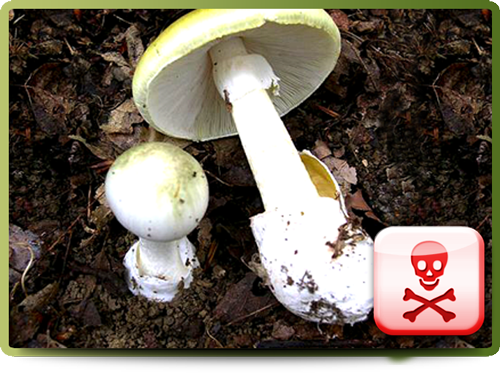
The Death Cap is the world's most lethal mushroom. Responsible for approximately 90% of all fatal mushroom poisonings globally, a single mature cap contains enough amatoxin to kill an adult human. It was introduced to South Africa with European oak trees and is now widespread across the Cape winelands, suburban oaks, and any planted European oak. It is the single most important species for every South African to recognise.
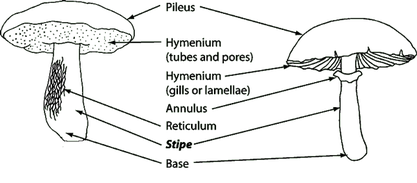
CRITICAL: The Death Cap looks completely unremarkable — pale green, white, ordinary. It has no warning smell, no bitter taste, no instant sign of toxicity. Symptoms are delayed 6–24 hours after ingestion, by which time irreversible organ damage may already be underway. The amatoxins inhibit RNA polymerase II, shutting down protein synthesis in liver and kidney cells. There is no antidote. Treatment is supportive: aggressive rehydration, liver transplant in severe cases. The cup (volva) at the base of the stipe, partially buried, is the key identification feature — always dig up the base of any Amanita before consuming.
Toxins & Clinical Details
| Amatoxins | α-amanitin, β-amanitin — inhibit RNA polymerase II; no antidote |
| Phallotoxins | Cell membrane disruption in GI tract — contributes to initial symptoms |
| Onset | 6–24 hours of apparent wellness after ingestion |
| Phase 1 | 6–24h: GI symptoms — nausea, vomiting, diarrhoea (deceptive 'recovery' follows) |
| Phase 2 | 24–72h: Apparent recovery — organ damage continuing silently |
| Phase 3 | 3–7 days: Fulminant liver/kidney failure; potentially fatal |
| Treatment | Immediate hospital; no antidote; liver transplant in severe cases |
| Lethal dose | Half a cap may be fatal to a child |